The management practices a business adopts will inform how well it is able to achieve its goals and respond to changes in the workplace. For-profit and nonprofit businesses achieve their goals through the four steps of management: planning, organizing, controlling, and leading. Technical, conceptual, and interpersonal skills are essential to the management process. It also involves using human, financial, and informational resources. In this unit we explore how successful business management involves teamwork, communication, creating a clear corporate mission and culture, following good business ethics, and a commitment to social responsibility.

 Every day business owners make financial decisions that will impact every phase of the business operation, including such as payroll, cash flow, and projecting future growth. A thorough understanding of accounting and financial management allows business owner to find the best sources and use of funds. For example, you can derive and accurate measure the health of your business from the income statement, balance sheets, and financial ratios. We investigate financing options, how to analyze credit, and the time value of money. We also examine how banks, such as the Nepal rastriya bank, affect the ability of businesses to obtain financing.
 Marketing encompasses more than simple advertising and selling, it describes the activity businesses engage in to create, communicate, deliver, and exchange their products to their customers, clients, partners, and society at large. Business owners not only aim to provide customers with the goods and services they want and need, they need to convince them to make a purchase and come back for more. It involves the product, price, distribution, and promotion in the form of advertisement, publicity, public relations, and sales promotion. We will explore e-commerce, e-business, and the use of social media marketing.
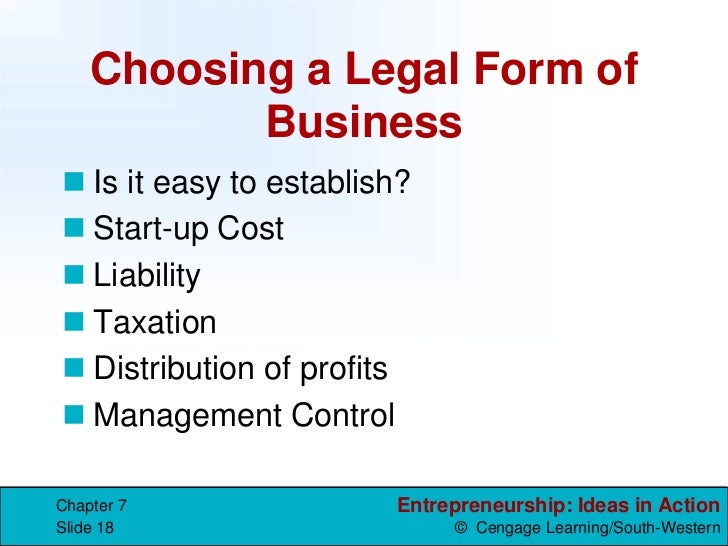 In this unit we explore various forms of ownership (sole proprietorship, partnerships, and corporations) which affects how businesses are taxed, how profits are distributed, and what regulations must be followed. The form of ownership you choose corresponds to the growth, taxation, and future of your company. In this unit we examine some techniques business owners use to analyze profitability. We review the characteristics of successful entrepreneurs, how small businesses impact the economy, and the role of the Small Business Administration in Nepal.